




Including 0.98€ for ecotax

Buy it now and receive it between Thu 15 October and Fri 16 October with GLS

2-year warranty

Toll-free number:+33 9 72 232 232
 Secure payment in instalments
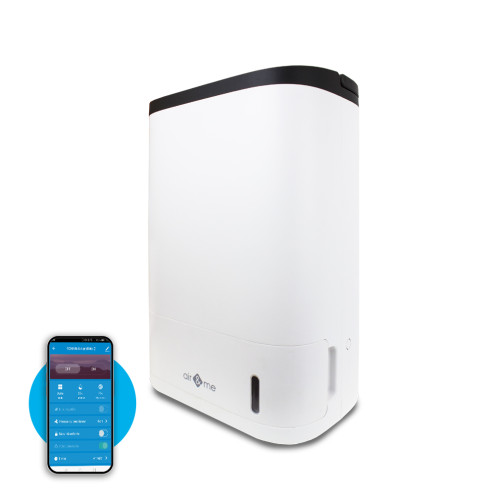
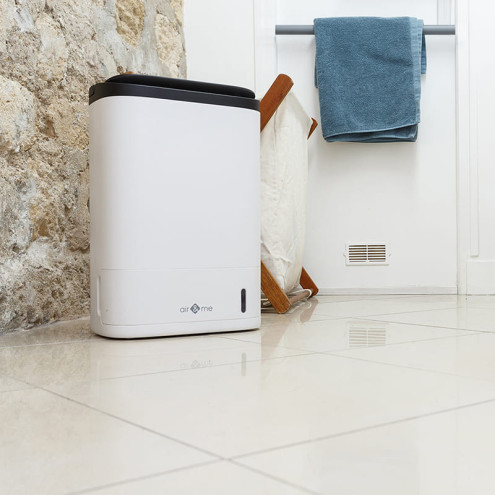
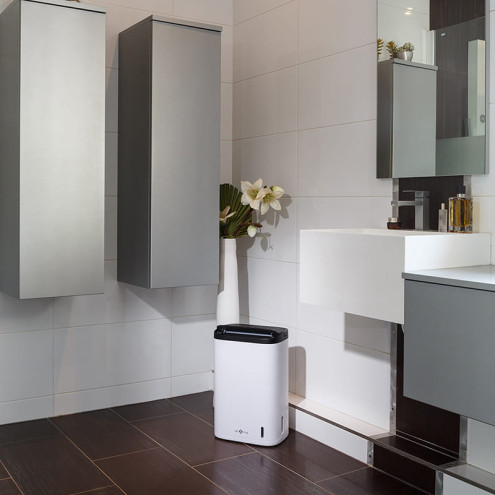
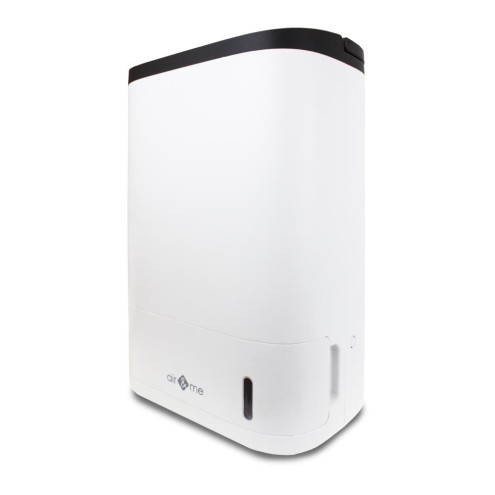
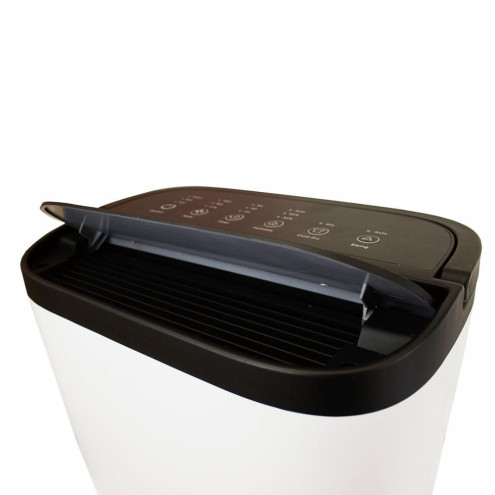
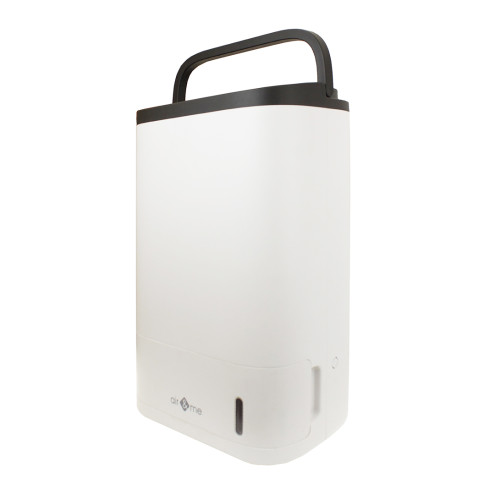
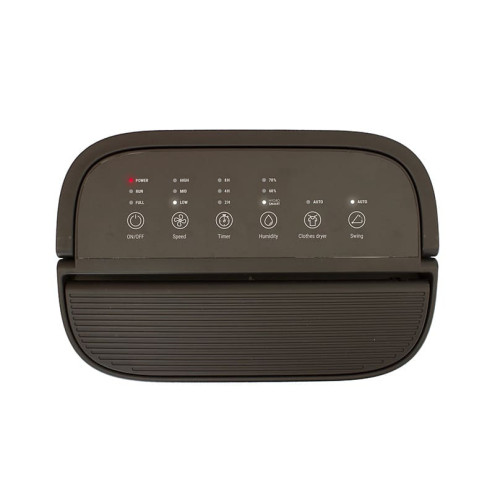
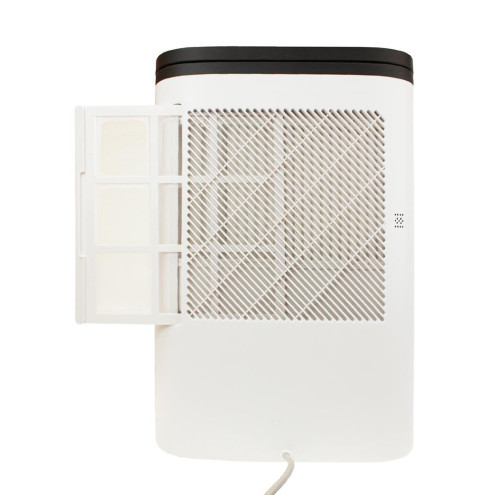
Tired of damp air? EVEL is the solution to fight against mold and germs. Dehumidify your rooms efficiently!


Data sheet
Continuous drainage means that you don't have to empty the tank all the time. Thus, the condensates (water collected by the dehumidifier) flow away by gravity. This operation is always carried out using a short pipe (maximum 50 cm) with an internal section of approximately 1 cm.
It is not impossible but not recommended because if your pipe gets clogged or does not drain well, the water will rise up in the pipe and flooding is guaranteed. If you risk it, oversize the diameter of the extension pipe and join the 2 pipes well, for a good seal. Make a small hole on the upper part of the pipe, directly after the water outlet, at the back of the appliance.
Below about fifteen degrees, a compressor or Peltier dehumidifier loses much of its efficiency. The reason is simple: to create condensation, the compressor's role is to cool the condenser. If the air is too cold, the drops formed on the condenser will freeze. On older products, you can see blocks of ice forming. Today, there are "Defrost" modes that disconnect the compressor, but the device no longer dehumidifies. It is therefore advisable to opt for a desiccant or low-temperature dehumidifier that works with a large silica wheel. Its efficiency will be almost constant at 0°C or à 20°C.
First, we recommend removing the tank to make installation easier. Then, connect the hose to the unit through the opening on the back or side of the dehumidifier. Replace the tank and place the other end of the drain hose directly into a water drain.
You've noticed a brownish liquid flowing from the hose or present in the tank of your dehumidifier? This phenomenon can be surprising, as the water extracted from the air is supposed to be clear. Rest assured: no internal part of your appliance produces this type of liquid. It is most likely pollution present in the ambient air, especially if the appliance is used in a garage or a poorly ventilated space.

Hypothesis No. 1: Presence of Fungal Spores or Mold
In humid environments like garages, microscopic spores (mold, fungi, etc.) can float in the air. Once captured by the airflow of the dehumidifier, they are carried with the condensed water and can color the liquid brown. You might also perceive a musty or damp earth odor when approaching the reservoir.
Hypothesis No. 2: Air Pollution by Organic Residues or Greasy Dust
A garage is often an environment exposed to oils, fuels, solvents, brake dust, etc. These particles, suspended in the air, can be sucked in and mix with the condensed water, giving it a dark brown tint. This phenomenon is common in rooms where volatile organic or chemical substances circulate.
What to do if this happens?
Here are some recommendations to clean your appliance and identify the exact origin of the problem:


You might also like
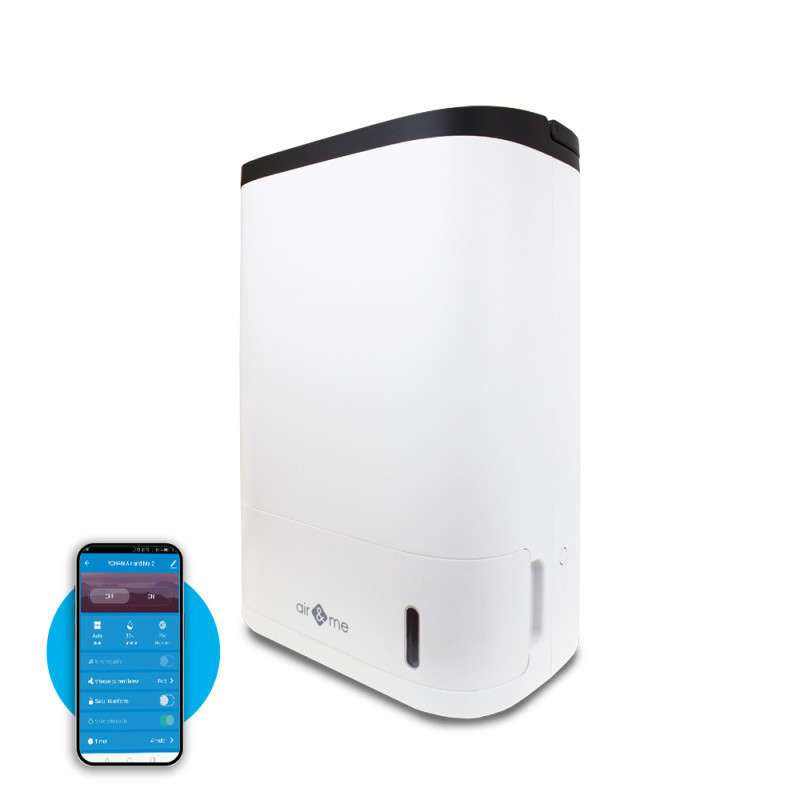
Tired of damp air? EVEL is the solution to fight against mold and germs. Dehumidify your rooms efficiently!


